Cardiac

AKA Cardiology, this is a branch of medicine that deals with various kinds of heart conditions and disorders. In some cases, it can also include certain parts of the circular system as well. This branch of medicines deals with the treatment and diagnosis of valvular heart diseases, heart failure and defects and even coronary artery diseases.

CABG (Heart Bypass)

The CABG or Coronary artery bypass surgery is a surgical procedure and treatment for patients diagnosed with CHD or Coronary Heart Disease. The main aim of this surgery is to help improve the flow of blood to the heart. This is considered as the last resort to clear out the waxy substance AKA plaque from the coronary arteries.

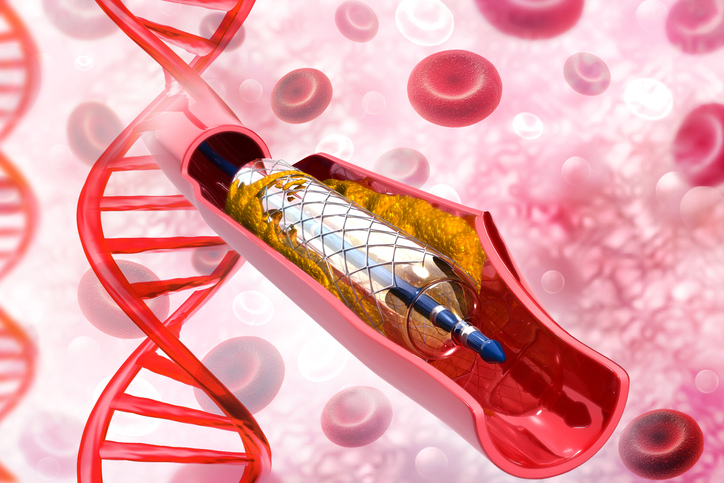
Angioplasty with stent

Angioplasty with stent is a non-invasive procedure that is done to open the arteries of the heart which are blocked or narrowed. This procedure also helps to improve the blow flow to and from the heart. People who experience symptoms like chest pain and breathlessness or who are prone to heart attacks and have a high risk of a bypass are some of the ideal candidates for angioplasty with stent.

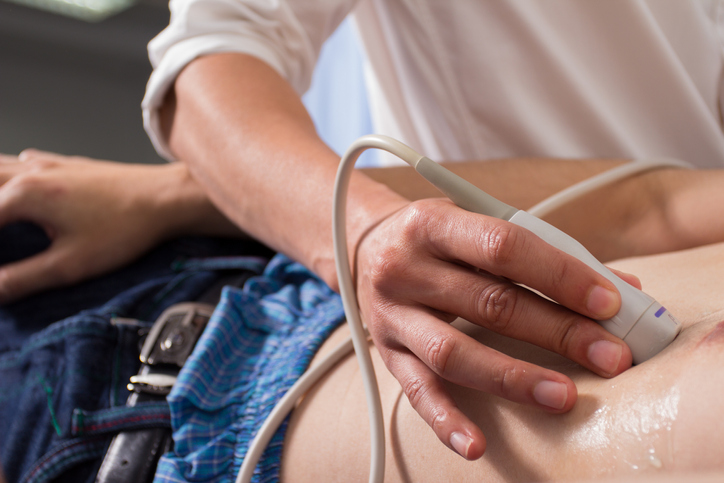
Echocardiography

In order to monitor the function of the heart and it’s valve, the doctor may recommend a test called echocardiography. This is also one of the most important tests done for people who are born with any kind of heart condition, or if they are at high risk for any heart abnormalities or heart attacks.

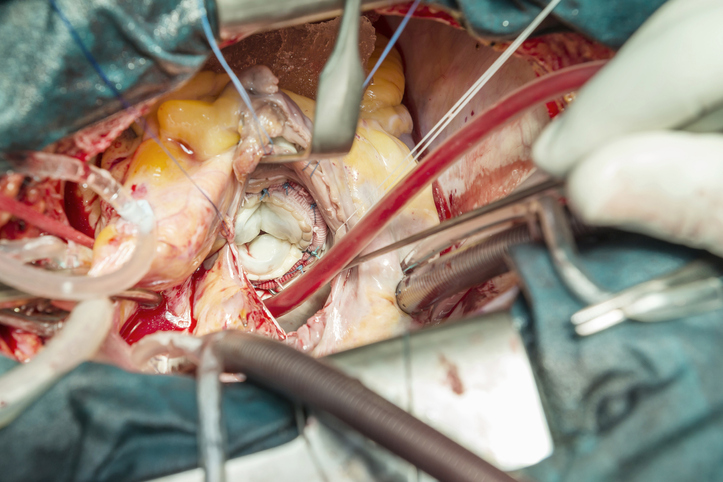
Heart Valve Replacement

Also known as Open Heart Surgery, this surgical procedure is used when there is any damage to any or multiple or all of the heart valves. The doctor will decide if the heart valves have to be replaced or repaired based on your medical condition, the updated health records, your age and the overall condition of your heart valve.

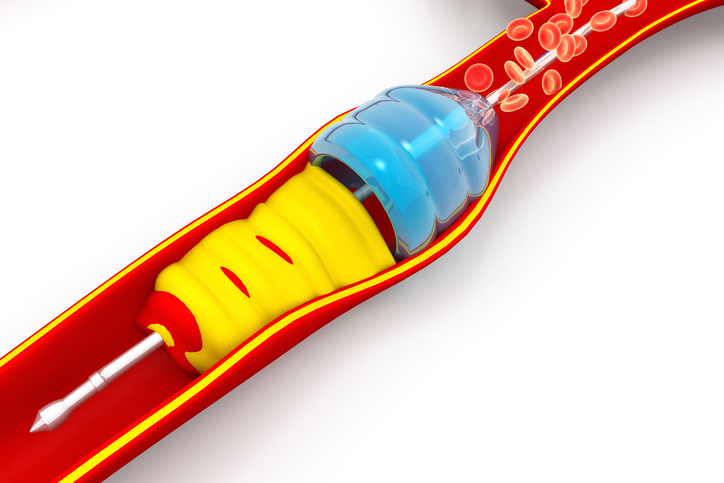
Balloon Angioplasty

Percutaneous Transluminal Coronary Angioplasty (PTCA) or balloon angioplasty of the coronary artery is a procedure that helps to relieve the arteries that have any kind of obstruction or narrowing which may cause problems in the flow of blood. With the help of this non-surgical procedure, the heart muscles are able to receive proper oxygen and blood that is needed for proper functioning. In order to accomplish the Percutaneous Coronary Intervention, the medical examiner inserts a small balloon catheter on the patient’s arm or groin. This procedure helps to stop or reduce the chances of a heart attack, relieves chest pain, and helps in the overall improvement and functionability of the heart.

Pacemaker implantation

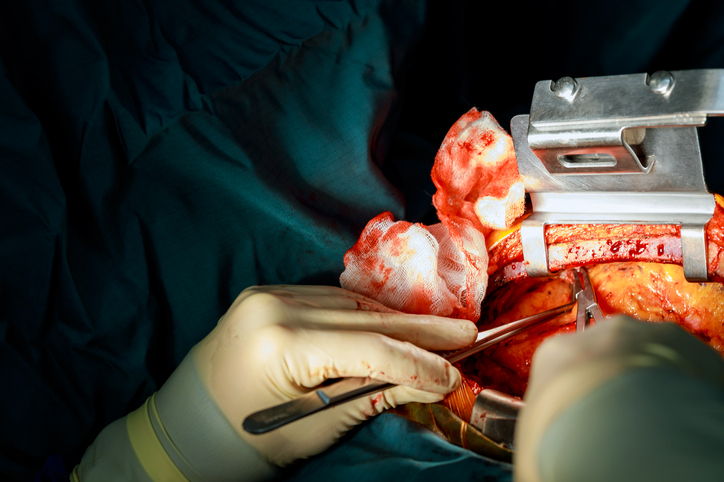
For patients with heart problems like High Heart Rate AKA Tachy or Slow Heart Rate Aka Brady, the doctor may recommend implanting a pacemaker. This is a device that is placed on the chest’s upper portion to help correct the different types of Arrhythmias problems. This device helps to control the heart’s beating and rhythm in a programmed manner. In the event when the heartbeat is irregular, the pacemaker will help to regularize it.